
Introduction
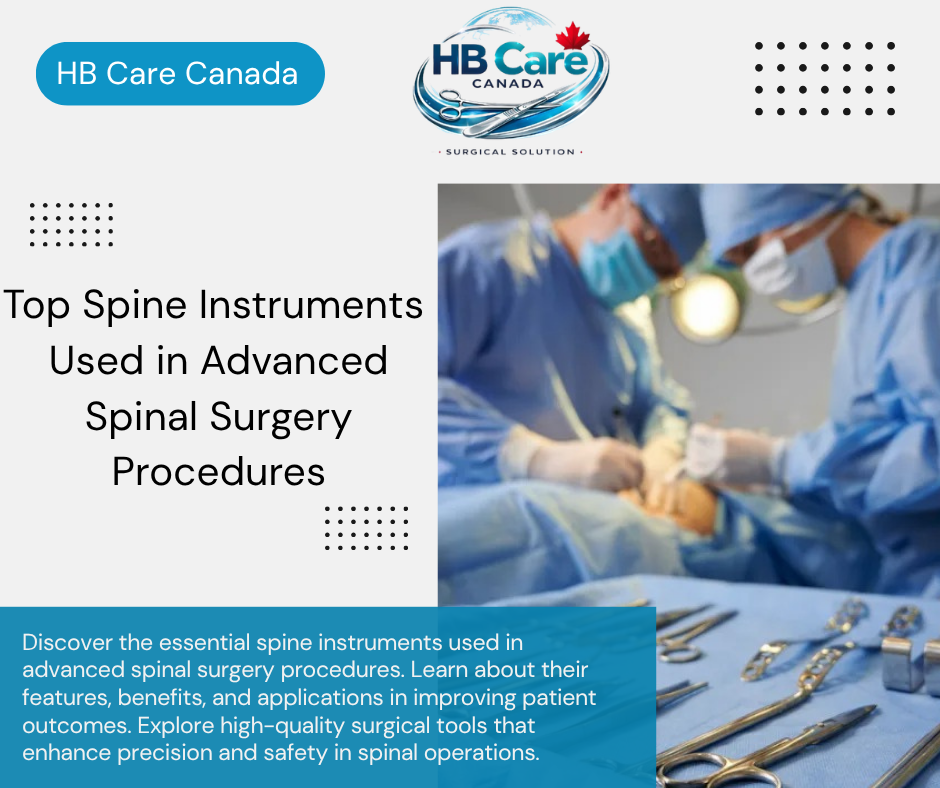
In recent years, advancements in spinal surgery have greatly improved patient outcomes, making procedures safer and more effective. The success of these complex surgeries heavily relies on the precision and quality of the instruments used. Spine instruments are specifically designed to facilitate various spinal procedures, ranging from minimally invasive techniques to complex reconstructive operations. In this article, we delve into the top spine instruments commonly employed in advanced spinal surgery, exploring their features, benefits, and applications.
Understanding Spine Instruments
Spine instruments encompass a wide range of surgical tools designed for different functions during spinal surgeries. These instruments are critical in ensuring safety, accuracy, and efficiency during the procedures. The main categories of spine instruments include:
- Surgical Retractors
- Bone Cutters
- Screws and Plates
- Discectomy Instruments
- Nerve Root Retractors
Each of these instruments plays an essential role in the surgical process, often dictating the outcomes significantly.
Key Spine Instruments in Spinal Procedures
1. Surgical Retractors
Surgical retractors are fundamental in spinal surgeries, enabling surgeons to gain optimal access to the surgical site by holding back soft tissues. Common types include:
- Malleable Retractors: These can be shaped to fit various anatomical structures.
- Self-Retaining Retractors: They hold themselves in place, allowing surgeons or assistants to focus on the procedure.
Benefits and Applications:
- Improved Visibility: By providing a clear view of the surgical field, retractors enhance precision.
- Reduced Tissue Trauma: These instruments minimize damage to surrounding tissues, contributing to quicker recovery times for patients.
2. Bone Cutters
Bone cutters are essential for osteotomy procedures where bone resection is required. Key types are:
- Oscillating Saw: Used for making precise cuts in bone.
- Curettes: Ideal for scraping or shaping bone and cartilage.
Benefits and Applications:
- Precision Shaping: They allow for meticulous bone shaping, essential in spinal alignments.
- Reducing Blood Loss: Advanced bone cutters minimize blood loss during surgeries due to their clean cutting ability.
3. Screws and Plates
Spinal screws and plates are integral components of spinal fusion procedures. They provide stability and alignment to the spine during healing.
Features:
- Material: Typically made from titanium or stainless steel, ensuring strength and biocompatibility.
- Design: Contoured to fit the anatomy of the spine for enhanced stability.
Benefits and Applications:
- Enhanced Stabilization: These instruments provide durability to spinal constructs, ensuring long-term stability.
- Facilitation of Healing: The stability offered helps in the natural healing process following extensive spinal surgeries.
4. Discectomy Instruments
In procedures involving herniated discs, specialized discectomy instruments are vital. Tools like discectomy punches and pituitary rongeurs are commonly used.
Benefits and Applications:
- Targeted Tissue Removal: They allow for precise excision of damaged disc tissue, relieving pressure on nerves.
- Minimally Invasive Options: Many discectomy instruments are designed for minimally invasive approaches, reducing recovery time.
5. Nerve Root Retractors
These are specifically designed to gently retract nerve roots during spinal surgeries. Their unique design allows for minimal stress on sensitive structures.
Benefits and Applications:
- Preservation of Nerve Function: By providing adequate retraction without compression, they help in preserving nerve pathways.
- Enhanced Safety: Their design reduces the risk of nerve damage during procedures, improving patient outcomes.
Why Quality Instruments Matter in Medical Procedures
The importance of high-quality surgical instruments cannot be overstated. Here’s why:
- Precision and Accuracy: Quality instruments provide enhanced functionality, enabling surgeons to perform complex procedures with greater accuracy.
- Reduced Complications: Poorly designed or manufactured instruments can lead to complications, extending recovery times and increasing risks.
- Cost Effectiveness: While high-quality instruments may have a higher initial cost, their durability and reliability often lead to lower overall costs associated with surgical complications and instrument replacements.
Conclusion
In polished, advanced spinal surgery, the right instruments are paramount for achieving successful patient outcomes. High-quality spine instruments not only enhance precision and efficiency during procedures but also significantly reduce potential risks and complications. Investing in top-of-the-line spinal instruments is essential for clinics, hospitals, and medical professionals dedicated to providing the best care possible.
If you are looking to explore an extensive range of high-quality spine instruments tailored for advanced spinal surgery, please feel free to contact us or visit our website. Our team is ready to assist you in selecting the perfect instruments for your surgical needs.

